


Affordable Housing
Massachusetts is currently grappling with an acute housing crisis, marked by soaring rents and home prices that far outpace income growth. The median home price in Boston exceeds $800,000, and the average rental unit costs over $3,300 per month, making it one of the most expensive regions in the nation. This severe affordability gap disproportionately impacts low- and middle-income families, with over 440,000 households qualifying for affordable housing but unable to access it. Waitlists for public housing and rental voucher programs can stretch for over a decade, leaving countless families in precarious living situations or forcing them to relocate out of state.
The escalating demand for housing is not merely an economic challenge; it's a social and economic imperative. The lack of affordable housing is driving young professionals and working families out of Massachusetts, jeopardizing the state's talent pool and economic competitiveness.
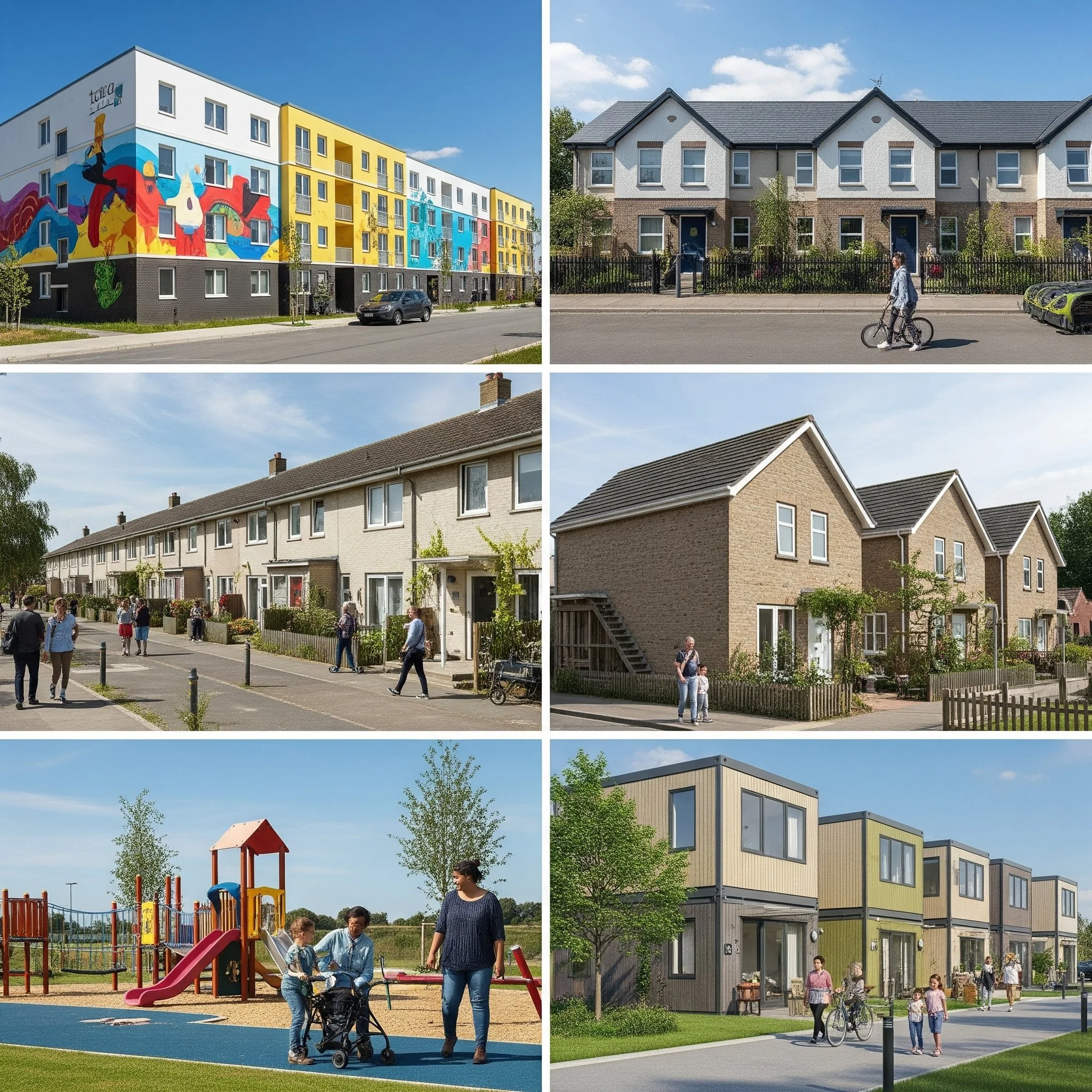
Statewide Housing Plan and Needs Assessment
Recognizing the severity and multifaceted nature of this crisis, the Healey-Driscoll administration recently unveiled A Home for Everyone: Massachusetts' Statewide Housing Plan. This marks the state's first comprehensive housing plan, developed through extensive listening sessions and engagement with over 3,000 stakeholders across the Commonwealth. The plan sets ambitious goals, including the need to increase the year-round housing supply by at least 222,000 units from 2025 to 2035 to maintain competitiveness and lower costs.
The statewide plan outlines five overarching strategies to tackle the housing crisis, encompassing practical solutions such as exploring non-traditional housing options, protecting existing affordable homes from expiring restrictions, and bringing vacant or distressed properties back online. It also emphasizes providing direct subsidies and increasing access to home ownership for first-time buyers, enhancing partnerships with employers to address workforce housing needs, and preventing evictions and foreclosures. Furthermore, key legislative actions, like the Affordable Homes Act signed in 2024, are expected to create or preserve 65,000 units, notably through provisions allowing accessory dwelling units (ADUs) by right and increasing funding for first-time home buyer programs. These initiatives reflect a crucial shift towards a coordinated, statewide effort to not only increase housing production but also to ensure equitable access and long-term affordability for all Massachusetts residents.
“[The] Housing Needs Assessment is a companion to the Comprehensive Statewide Housing Plan published in February 2025. It is a compilation of selected research conducted by EOHLC and its consultant team of the UMass Donahue Institute, the Metropolitan Area Planning Council, and Dain Research. The purpose of the needs assessment is to establish a comprehensive framework for understanding the nature, scale, and diversity of housing challenges facing Massachusetts.”